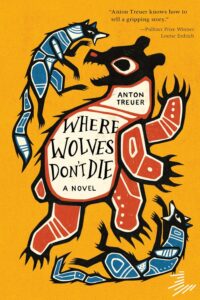
Where Wolves Don’t Die is both taut thriller and a raw, tender coming-of-age story, about one Ojibwe boy learning to love himself through the love of his family around him. (Description from Birchbark Books.)
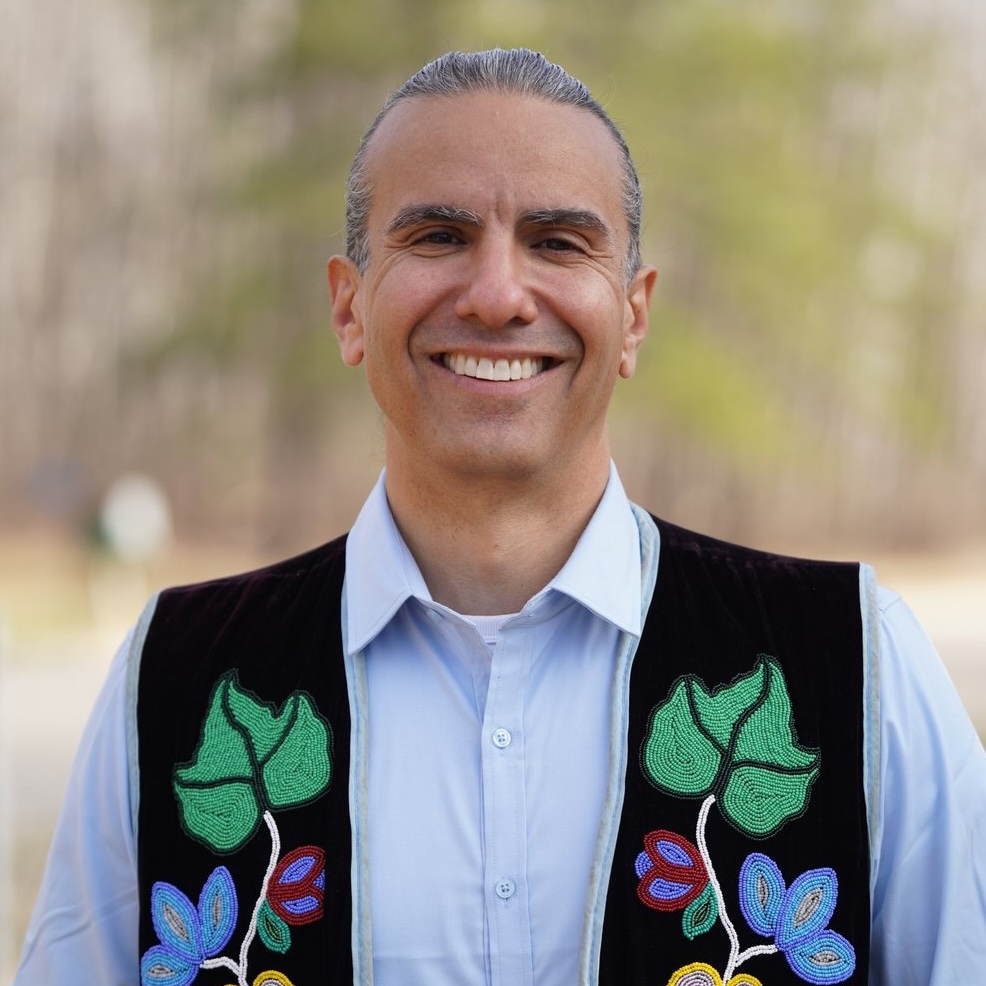
Anton Treuer is an Ojibwe author, professor, and public speaker whose work focuses on Indigenous language revitalization, education, and cultural understanding. A descendant of the Leech Lake and White Earth Bands of Ojibwe, he has dedicated his career to sharing knowledge rooted in lived experience, scholarship, and community engagement.
Treuer is the author of more than twenty books on Native American history, Ojibwe language, and contemporary Indigenous life, including works widely used in classrooms, libraries, and community programs. As a professor of Ojibwe at Bemidji State University, he works closely with students and elders to support language learning and cultural continuity.
Through writing, teaching, and public speaking, Anton Treuer engages audiences across the United States, offering talks and workshops for schools, universities, tribal communities, nonprofits, and public organizations. His work emphasizes relationship-building, respectful dialogue, and practical pathways toward equity and understanding.
– from author Dr. Anton Treuer’s website.
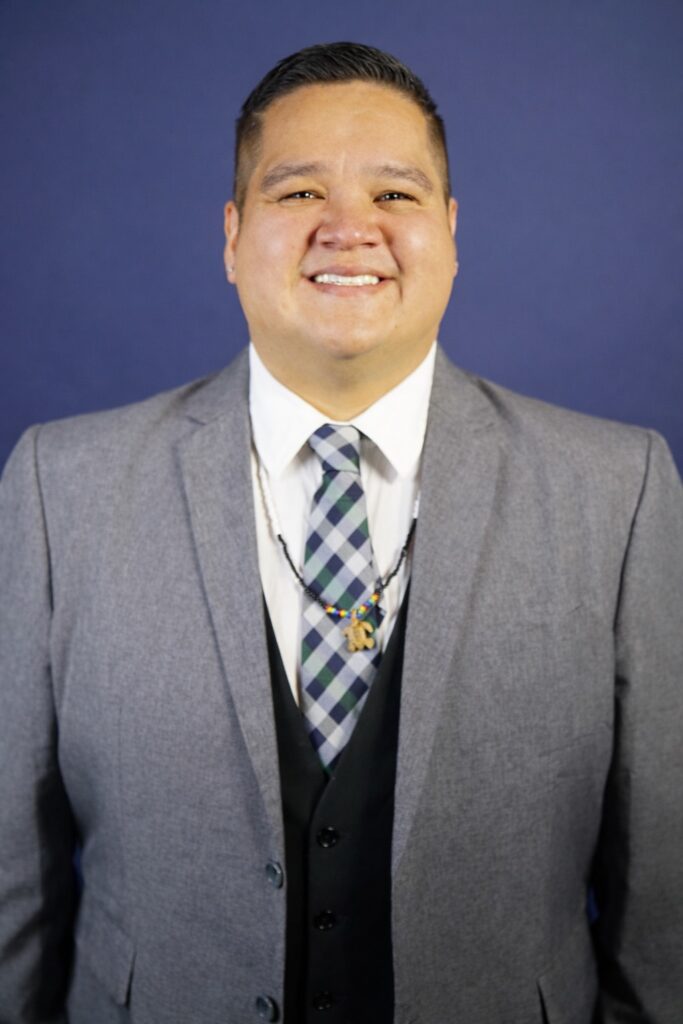
Photo source: David O'Connor
About our Honored Guest
David J. O’Connor (Anishinaabe or Ojibwe name is Bwaakoningwiid) is originally from and is a citizen of the Bad River Band of Lake Superior Chippewa. In January 2012, he became the Education Consultant – American Indian Studies Program at the Wisconsin Department of Public Instruction (DPI). In David’s role at DPI, he supports school districts’ efforts to provide instruction on the histories, cultures and tribal sovereignty of American Indian Nations and tribal communities of Wisconsin, often referenced as Wisconsin Act 31, and the education of Native American students.
David provides training opportunities and presents at conferences and workshops on American Indian Studies and provides general consultation on issues related to Native American education. He also serves as liaison to the Tribal Nations and communities of Wisconsin; tribal education departments, the Wisconsin Indian Education Association (WIEA), the Great Lakes Inter-Tribal Council (GLITC), the Special Committee on State-Tribal Relations, and the Office of Indian Education – U.S. Department of Education.
David received both his Master of Science (M.S.) and Bachelor of Arts (B.A.) degrees from the University of Wisconsin-Madison in Madison, WI. He is also a graduate of the School District of Ashland in Ashland, WI, where he did his K-12 education and a graduate of the Bad River Head Start in Odanah, WI on the Bad River Indian Reservation where he started his education and early learning.
What are some themes that you notice throughout the book and where do they appear?
What role do relationships play in making us feel seen, valued, and secure in our sense of belonging? How do family and clan relationships affect the choices characters make in the novel? In your own life, how do the people you are closest to—family, friends, mentors—shape the choices you make?
Think of a story Grandpa Liam shares with Ezra. Why do you think he chose to share that story in that particular moment? What impact did it have on Ezra?
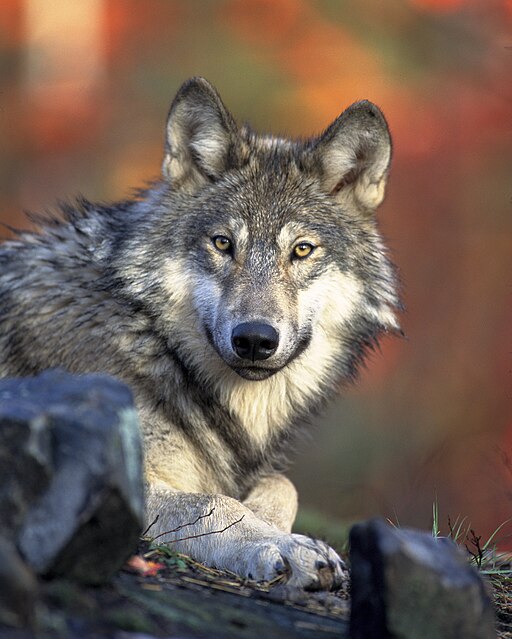
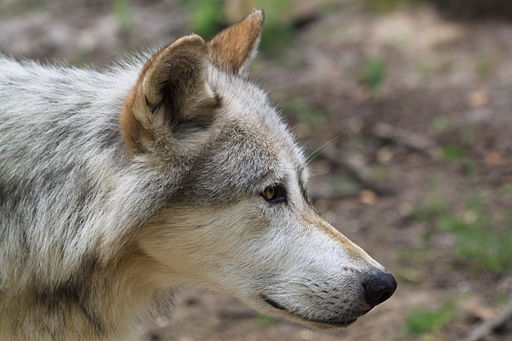
Photo Source: Gary Kramer, Public domain, via Wikimedia Commons
Learning Activities
Hold a story circle using the Story Circle Toolkit from the National Public Housing Museum.