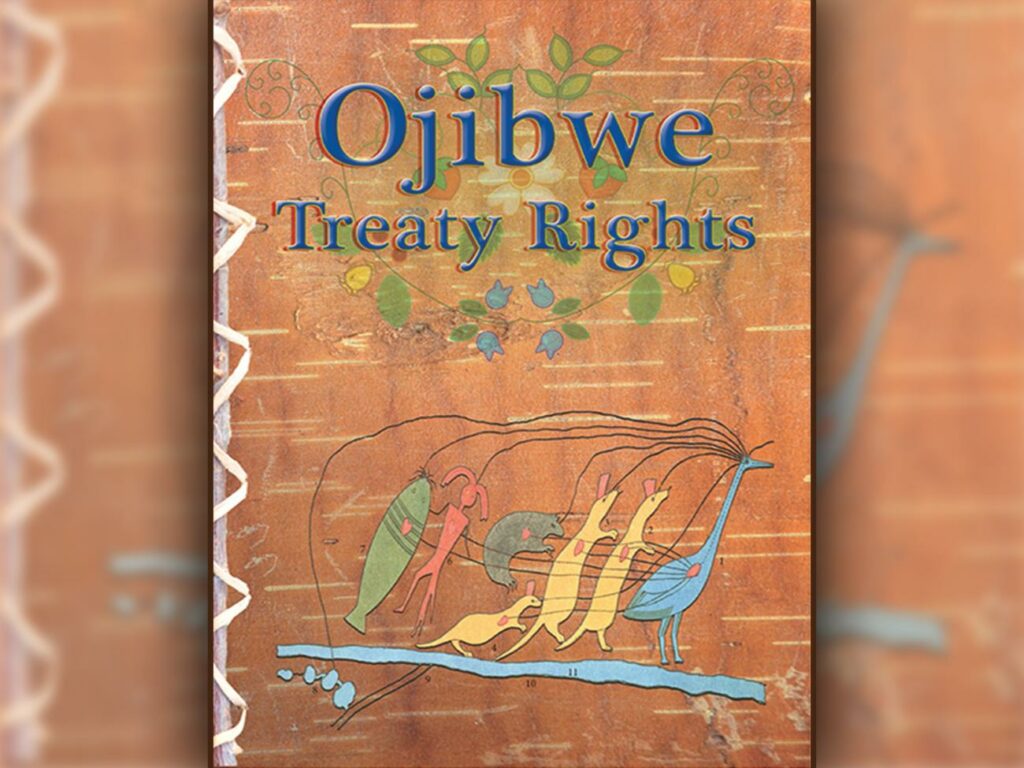
“A Guide to Understanding Ojibwe Treaty Rights” contains pertinent treaties, discusses the nature of treaty rights, provides historical background on the treaty rights, and details tribal resource management and GLIFWC activities.
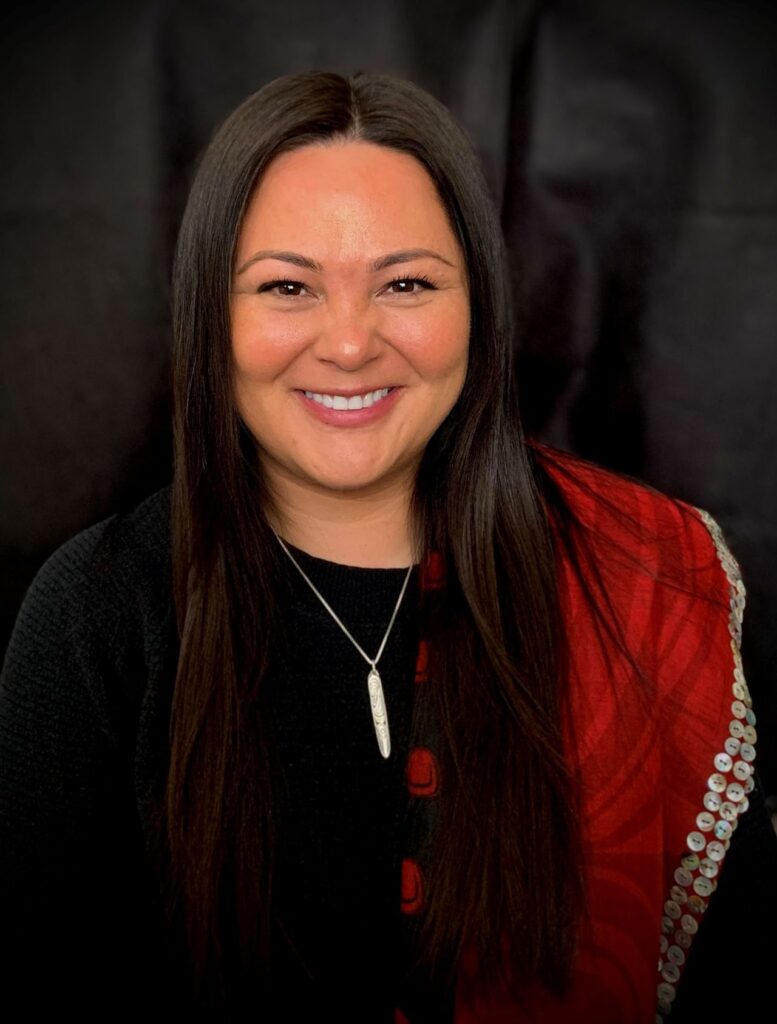
Jenny Van Sickle is the Outreach Specialist at the Great Lakes Indian Fish & Wildlife Commission. Van Sickle is Tlingit, Athabascan and was born and raised in Sitka, Alaska.
Van Sickle graduated with honors from the University of Maine-Augusta where she earned her Associate of Science in Mental Health & Human Service and went on to complete her Bachelor of Science in Social Work at the University of Wisconsin-Superior.
Jenny has lived in Michigan, worked in Minnesota, and currently lives in Wisconsin. Van Sickle has been with the Commission just over 4 years.
-Bio from Jenny Van Sickle
Photo Source: GLIFWC
About the Great Lakes Indian Fish & Wildlife Commission
The Great Lakes Indian Fish & Wildlife Commission is commonly known by its acronym, GLIFWC. Formed in 1984, GLIFWC represents eleven Ojibwe tribes in Minnesota, Wisconsin, and Michigan who reserved hunting, fishing and gathering rights in the 1836, 1837, 1842, and 1854 Treaties with the United States government.
GLIFWC provides natural resource management expertise, conservation enforcement, legal and policy analysis, and public information services in support of the exercise of treaty rights during well-regulated, off-reservation seasons throughout the treaty ceded territories.
-GLIFWC Site
Explore More
Explore “Timeline of Anishinaabe Treaty Rights in the Northern Great Lakes” from Wisconsin First Nations.